
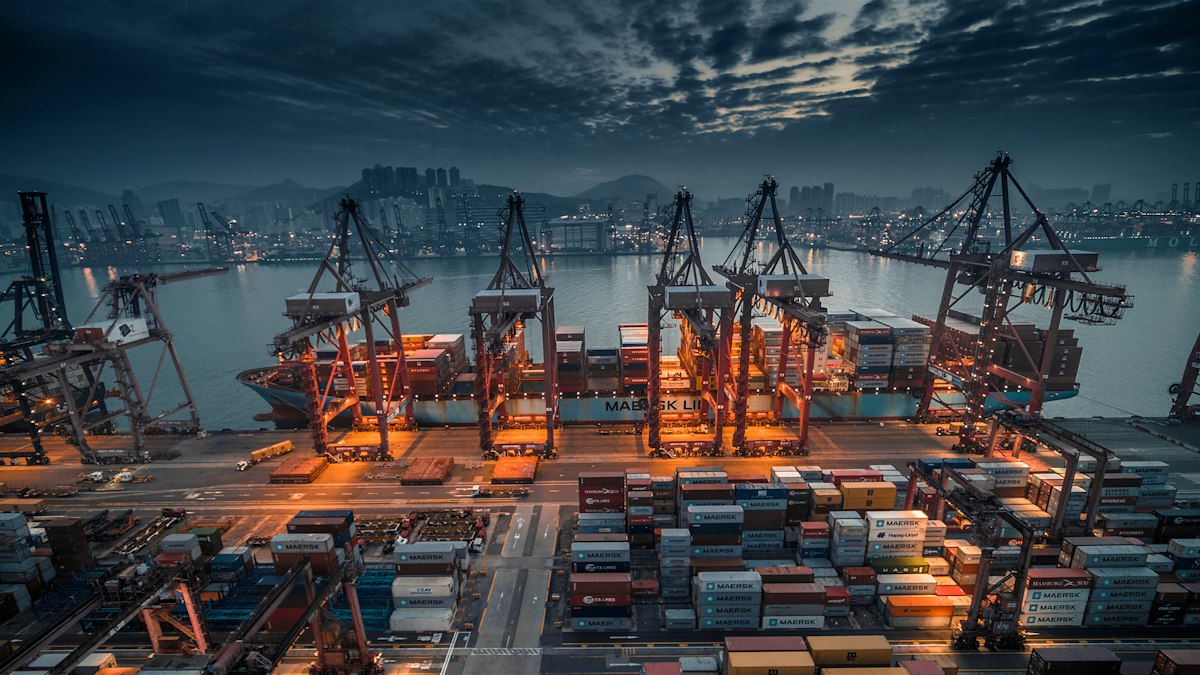
Ask an experienced spice importer what goes wrong most often and they will not say quality. They will say documents.
A container held at a port is expensive in a way that compounds. Demurrage runs daily. Storage runs daily. Your customer is waiting. And almost all of it is avoidable at a desk, before the goods move.
The core export file
Every food shipment out of India travels with a set of documents. Some are commercial, some are regulatory.
- Commercial invoice and packing list. These must agree with each other and with what is physically in the container.
- Bill of lading, or an air waybill for air freight.
- Certificate of origin. Preferential where a trade agreement applies, non-preferential otherwise.
- Phytosanitary certificate, issued by the plant protection authority at origin.
- Certificate of analysis, for the specific lot being shipped.
- Fumigation or treatment certificate, where the destination requires one.
Depending on the market and the product you may also need a health certificate, a halal or kosher certificate, or an import permit obtained by the buyer in advance.
What a phytosanitary certificate actually is
This one is misunderstood more than any other document in the set, so it is worth explaining properly.
A phytosanitary certificate is issued by the national plant protection organisation of the exporting country. In India that function sits with the plant quarantine authority. Our quality and compliance page sets out where it fits in the wider framework.
It certifies that the consignment has been inspected and is considered free from quarantine pests, to the requirements of the importing country.
Read that last part again. It is not a general statement of cleanliness. It is a statement made against a specific country’s rules.
Additional declarations
Many importing countries require particular wording to appear on the certificate. These are called additional declarations.
For example, a country may require a statement that the consignment was fumigated with a named chemical at a named dose, or that it originates from an area free of a specific pest.
A certificate that omits an additional declaration the destination requires will be rejected. And here is the difficult part: it cannot easily be amended after the goods have sailed.
The inspection was done in India. The inspector saw the goods. Once the container is at sea, nobody can go back and inspect it again.
This is why the destination country must be known before the certificate is applied for, not after.
The usual causes of a hold
Six problems account for most detentions.
- Invoice description does not match the HS code declared. Customs reads both. If they disagree, the container is opened. HS codes for Indian spices covers how to get this right.
- Net and gross weights inconsistent between documents. The invoice says one thing, the packing list another, the bill of lading a third.
- Lot numbers on the certificate of analysis do not match the bags. The certificate then describes goods nobody can identify.
- A missing additional declaration on the phytosanitary certificate.
- Labelling that does not meet destination food labelling rules. Language, allergen statements, nutrition panels and date formats all differ by market. Private label and retail packing covers what has to be specified.
- A residue result the destination does not accept. EU residue limits explains the one that catches most people.
Five of those six are avoidable at the desk, before the container moves. Only the last one requires laboratory work, and even that is done before shipment by anyone taking it seriously.
Consistency is the whole discipline
Notice what the first three causes have in common. None of them is about quality. All of them are about documents disagreeing with each other.
Customs officers are not checking whether your spice is good. They are checking whether the paperwork is internally consistent and matches the goods.
So the single most useful habit is this: produce all documents from one source of truth, and check them against each other before anything ships.
Specifically, confirm that these match across every document:
- The product description, word for word.
- The HS code.
- Net weight and gross weight.
- Number of packages.
- Lot or batch numbers.
- Container and seal numbers.
- Consignee and notify party names and addresses.
It takes twenty minutes. A hold takes days.
What the buyer needs to supply
Some of this is not the exporter’s to know, and that is the other common failure.
The buyer is the importer of record. Only they can tell the exporter:
- The exact destination country and port.
- Any import permit number and its conditions.
- The additional declarations their authority requires.
- The exact name and address for the consignee and notify party.
- How many original documents they need and where to send them.
- Any labelling requirements specific to their market or their customer.
If a buyer sends this at enquiry rather than after shipment, most problems never appear. If it arrives late, some documents cannot be corrected at all.
Timing: why documents are built alongside the goods
Several of these certificates can only be issued before export. A phytosanitary certificate needs an inspection of goods that are still in the country.
So the discipline that prevents most problems is unglamorous. Build the document set alongside the consignment, rather than chasing it afterwards. Check each document against the destination’s requirements rather than against the last shipment’s.
That last point matters more than it sounds. Requirements change. A market that accepted something last year may not this year. Checking against the previous shipment is how an out of date practice survives for years until it suddenly fails.
If a container is held
Act quickly and in this order.
- Get the exact reason in writing from the authority. Not a summary from the broker, the actual notice.
- Establish the deadline. Most holds have a period after which storage escalates or goods are treated as abandoned.
- Work out whether it is a document problem or a goods problem. Document problems are usually fixable. Goods problems are usually not.
- Tell the exporter immediately, with the notice attached. They may be able to issue a corrected document.
- Keep a record of every cost, because it will matter when the two sides settle who pays.
The short version
Containers are held for paperwork far more often than for quality. The most common causes are documents that disagree with each other, and a phytosanitary certificate missing a declaration the destination requires.
Tell your supplier the destination and the requirements at enquiry, not at shipment. Check every document against every other before the goods move.
Demurrage runs daily. A document that takes two hours to prepare correctly at origin can cost a week of container charges if it is prepared wrongly. Shipping, delivery and documentation lists what is issued as standard and what is issued on request.